

How Australian Small Businesses Can Meet Consumer Expectations
In the world of e-commerce, things are moving constantly. But Australian small businesses face a challenge: aligning their payment options with consumer preferences. A recent report from Xero highlights a stark mismatch between the ways consumers prefer to pay and the payment methods offered by small businesses. At Tall Books, we believe this disconnect presents an opportunity for business owners to enhance their financial success.
The Payment Preference Mismatch
Australian consumers overwhelmingly favour credit and debit cards, with 86% preferring these methods for both in-person and online transactions. However, only 55% of small businesses accommodate this preference. The most common payment method offered is bank transfer (68%), followed by cash (59%). With over a quarter of Australians willing to switch to businesses that provide their preferred payment options, it’s clear that meeting these expectations is crucial.
Embracing New Payment Methods
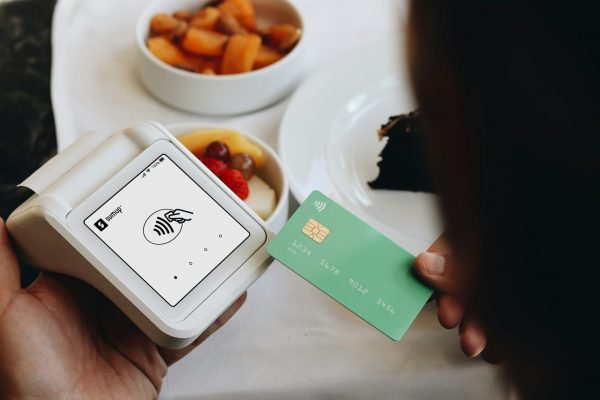
The demand for modern payment solutions, such as Apple Pay and Google Pay, is rising, especially among younger consumers like Gen Z. Yet, only 18% of small businesses have adopted mobile payments. Similarly, while ‘buy now, pay later’ options are popular among millennials, with 31% using them, only 14% of small businesses offer this choice.
Implementing diverse payment methods offers tangible benefits, including:
- Faster Payment Processing: Businesses report reduced time to receive payments, improving cash flow.
- Decreased Late Payment Chasing: Streamlined payment options lead to fewer delays and better customer satisfaction.
- Increased Sales: Offering more ways to pay can attract a broader customer base, boosting revenue.
Overcoming Barriers to Adoption
Despite these benefits, over half of Australian small businesses have not adopted new payment methods recently, often due to concerns over added costs, such as fees. However, the long-term gains often outweigh these initial expenses.
Tips from Bookkeepers: Enhancing Payment Systems
- Cost-Benefit Analysis: Evaluate the costs associated with new payment solutions against potential revenue increases. Bookkeepers can provide insights into these financial projections.
- Customer Feedback: Regularly survey your customers to understand their preferred payment methods and adapt accordingly.
- Technology Integration: Leverage technology to integrate diverse payment options seamlessly into your existing systems. Bookkeepers can assist in setting up and managing these processes.
- Financial Planning: Work with bookkeepers to budget for the implementation of new payment systems, ensuring a smooth transition.
- Stay Informed: Monitor industry trends and emerging payment technologies to stay ahead of the competition.
Adapting to a Cashless Future
While cash remains a staple for many businesses, the shift towards a cashless economy is gaining momentum. Nearly 80% of small businesses acknowledge the potential impact of this transition. Embracing digital payment methods now will prepare businesses for a future where cash and cheques are less relevant.
Preparing for Tomorrow’s Payment Landscape
Emerging payment methods, like digital currencies and implantable chips, are already causing anxiety among business owners and consumers alike. However, understanding and preparing for these changes will position businesses for success. The key is flexibility and readiness to adapt.
By embracing diverse payment options, Australian small businesses can enhance customer satisfaction, improve financial resilience, and secure long-term growth. At Tall Books, we’re here to support you in navigating these changes with expert bookkeeping advice and practical solutions. Get in touch with us today.