

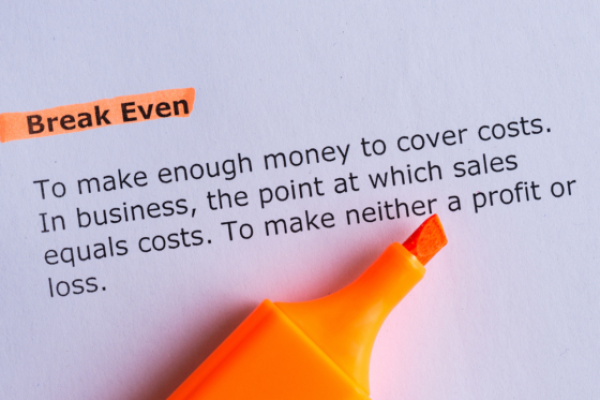
If you need to sell more items than expected to reach your break-even point, there are several steps you can take to lower that point.
Step 1: Develop premium products and services
If you can increase the average value of each sale, you’ll widen the difference between the sale price and labour and materials. Developing premium products and services allows you to start selling items where you can charge more (which is different from increasing your price).
Step 2: Improve your net profit percentage
Reducing the percentage of costs compared to sales can help improve your profits, by widening the gap between what you pay for raw materials, stock, or components and the final selling price. Look at your ongoing, variable costs as chances are you’ll find ways you can cut back, such as:
- Reducing waste, buying only what you need, recycling and reusing where you can.
- Eliminating unnecessary product features, which could be a significant production cost.
- Taking advantage of discounts for paying on time, paying early, or buying in bulk.
Step 3: Lower purchases
Reducing what you pay for raw materials, components, or employees who work directly on output will have a significant impact on optimising your costs. List direct costs from the highest to the lowest, select the top ten and then see if you can:
- Consider whether switching out one ingredient or component for a more cost-effective alternative is an option a customer may not mind.
- Change your product mix and stop selling items that are expensive to service or produce.
- Use any group discounts from chambers or industry groups.
- Look offshore to see if importing products or services will lower any direct costs.
Step 4: Reduce overhead
At times it’s possible to lower your overhead while still operating effectively. As you did with lowering purchases, rank your most expensive costs in order and then start working your way down, applying cost-saving tactics in areas where you’ll see the most reward. For example, you could:
- Switch manual processes to digital operations to cut down on things like paper, printing, and stationery.
- Pinpoint inefficient costs such as cutting down on energy costs or getting rid of obvious overcapacity, such as un-used phones, subscription costs, and computer equipment.
- Measure the impact of advertising and the return on your advertising spend.
- Get smart about your tax bill by claiming everything you can as an expense to reduce the amount of tax you have to pay. Work with us accountant to understand what you can claim, and ensure you keep all necessary documentation.
Step 5: Refinance to lower costs
Find out if it’s worthwhile to re-finance or amend how you bank. It pays to keep an eye out for deals that would better serve your bottom line. Business loans generally have higher interest costs than your equity, so using personal cash to pay off debt may work out to be a more economical option, long-term.
Step 6: Up-sell and cross-sell
By creating attractive product and service bundles, you may be able to convince your customers to purchase a high-end offer or sell them additional products and services. This will raise the average profitability of a customer and lower the number of customers you need to break even.
If you’re unsure where to start, Tall Books is here to help. We’ll work through the numbers with you so you can move forward with confidence.