

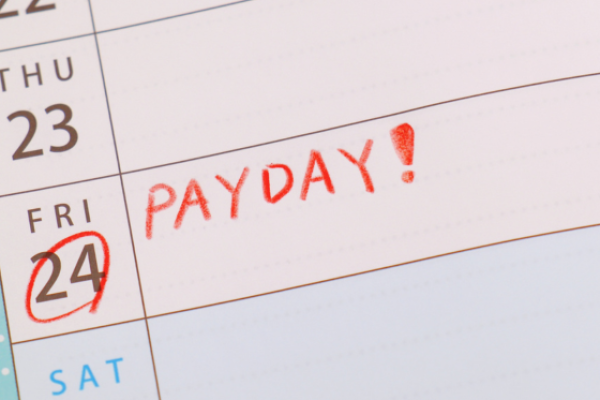
Paying yourself sounds simple at the start, but once you run a business, the rules shift. Sole traders, partners, and company directors all move money in different ways, and each structure comes with its own limits, freedoms, and tax quirks. When these pieces sit in the right order, you can see how much you can take home without putting pressure on the business.
This guide walks through how each structure works, what paying yourself looks like day-to-day, and how you can land on an income that feels steady, fair, and safe for the long run.
How structure shapes your pay
Your legal structure sets the boundaries. It’s less about how you’d like to be paid and more about the system you need to work inside.
Here’s the lay of the land:
Sole traders
- You don’t draw a wage.
- You take an owner’s draw from profit.
- Tax is charged on total business profit, not on withdrawals.
Partnerships
- Partners take drawings from profit.
- Tax applies to each partner’s share, no matter how much they take out.
- A partnership agreement usually sets the income split.
Companies
- A company stands as its own legal entity.
- Directors or shareholders can take:
- A salary through payroll (with PAYG and super), or
- Dividends from post-tax profit.
- Salaries reduce profit; dividends don’t.
Once these basics click, the question shifts. It’s no longer “What am I allowed to take?” but “What can the business carry without strain?”
How much should you pay yourself?
Most owners pick a number because it feels right or matches what they earned in a past role. A stronger figure comes from three things:
1. What your business can afford
Start with your average monthly revenue. Then line up the costs you can’t avoid:
- Rent
- Software
- Contractors or staff
- Tax obligations
- Loans
- Recurring expenses
The leftover amount, your operating profit, sets the ceiling for what you can pay yourself.
A simple rule many small businesses use is:
Profit available ÷ stability factor = sustainable pay
Your stability factor reflects how predictable your revenue is:
- Stable industries: 1.0-1.2
- Moderate ups and downs: 1.3-1.6
- Highly seasonal: 1.7+
When income jumps around, you need a bigger buffer.
2. Your tax and super obligations
Each structure handles tax differently. It pays to keep tax in mind when you lock in your pay. This matters most for sole traders and partners because their tax is tied to profit, not drawings.
Company directors on salary often find PAYG smoothing things out. Dividends, though, run on their own timetable and usually need advice from an accountant to get the timing right.
3. Your personal cost of living
Your personal needs won’t always match what the business can give. Many owners set two numbers:
- A steady base pay, and
- A top-up drawn only when the business has a strong month or a clean quarter.
This rhythm keeps stress down and cash flow even.
How payment works for each business structure
Here’s how the mechanics differ.
Sole traders
You and the business share the same identity. A withdrawal isn’t a wage, it’s money moved from the business account to your personal account.
Because of that:
- Drawings don’t change profit.
- Profit drives your tax bill, even if you leave the money untouched.
- Paying yourself regularly is more about cash-flow planning than compliance.
Many sole traders transfer a set weekly amount to keep their spending predictable and their records clean.
Partnerships
The partnership model mirrors the sole trader setup but adds a few layers:
- Partners are taxed on their share of profit, not drawings.
- A partnership agreement usually sets how profits are split.
- Drawings should be tracked so each partner can see what they’ve taken.
Strong communication helps this structure run well. Regular chats about workload, expectations, and cash flow keep things balanced.
Companies
A company gives you more flexibility but also more rules. You can pay yourself through:
A salary
- Counts as an expense
- Needs STP reporting
- Includes super
- Gives stable, predictable income
Dividends
- Paid from post-tax profit
- Don’t attract super
- Timing matters for tax planning
- Often used as a top-up, not the main income source
Most directors blend the two. Salary gives certainty. Dividends help move profit out tax-effectively.
How to set a “safe but realistic” pay structure
There’s no perfect formula, but these habits smooth the process:
1. Keep personal and business accounts separate
It’s the easiest way to see where money sits and where it goes.
2. Update your figures monthly
A quick check of cash flow, expenses, and profit stops surprises from piling up.
3. Build a cash buffer
Aim for two to three months of operating expenses. Once that buffer sits in place, paying yourself becomes far less stressful.
4. Create a simple pay rhythm
Weekly, fortnightly, or monthly; choose a pattern that keeps your home life steady.
5. Review your pay twice a year
When the business grows, your pay should grow with it.
If the numbers feel messy or you want help choosing the right structure, a bookkeeper can guide you. Tall Books can step in here with setup support, tax logic, and ongoing management.
Final thoughts
Paying yourself shouldn’t feel like guesswork. Once you understand your structure and keep a closer eye on your figures, you can shape an income that suits your life and keeps your business healthy. The right habits bring more clarity, more stability, and far more confidence.
If you want help tightening your systems or building a clear pay workflow, reach out to us at Tall Books and speak with an experienced Melbourne bookkeeper.